Every rider eventually asks the question: should I leave my engine stock, or is it time to build something stronger? The answer depends on how you ride, what you expect from your bike, and how much performance you truly need versus what simply sounds good on paper.
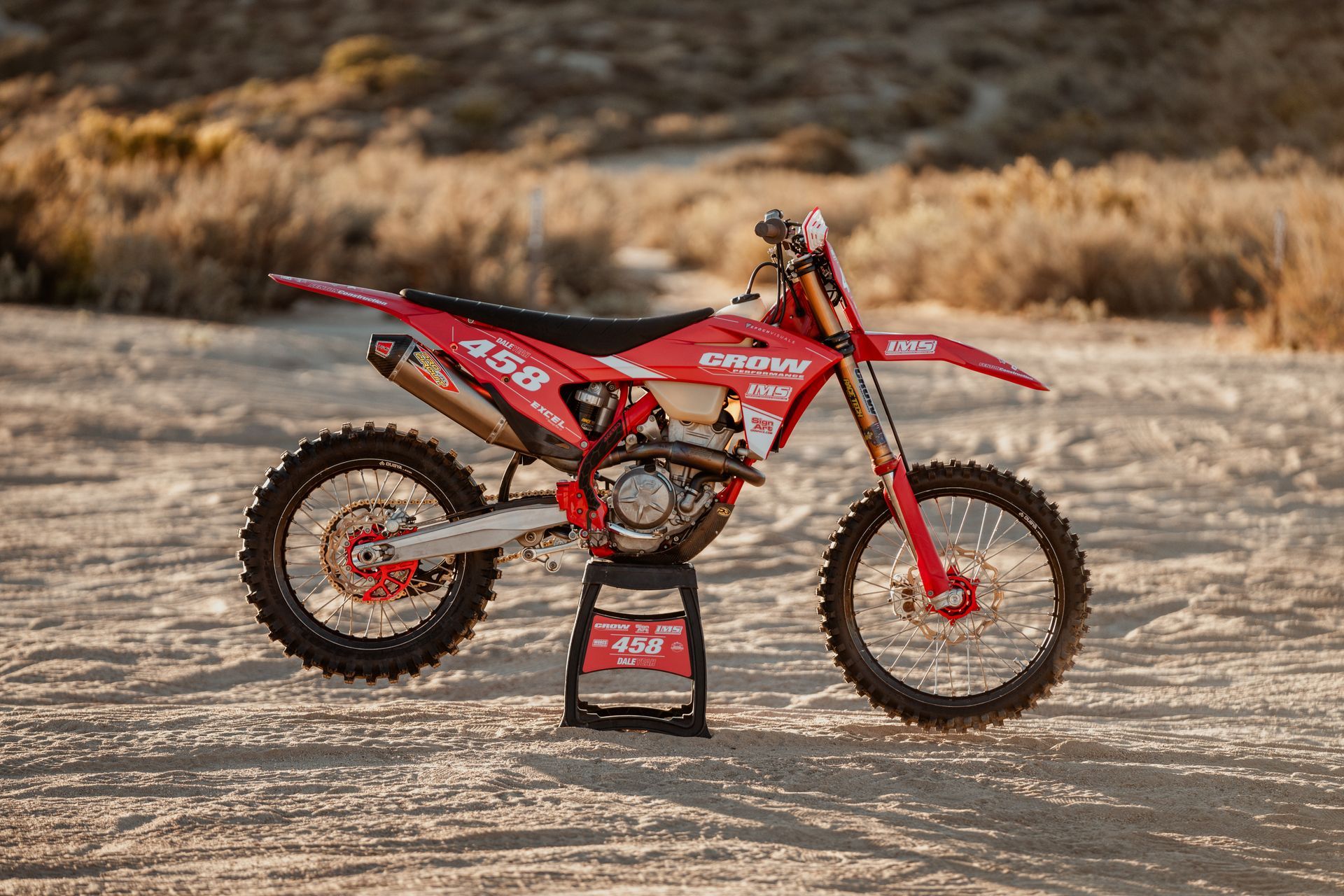
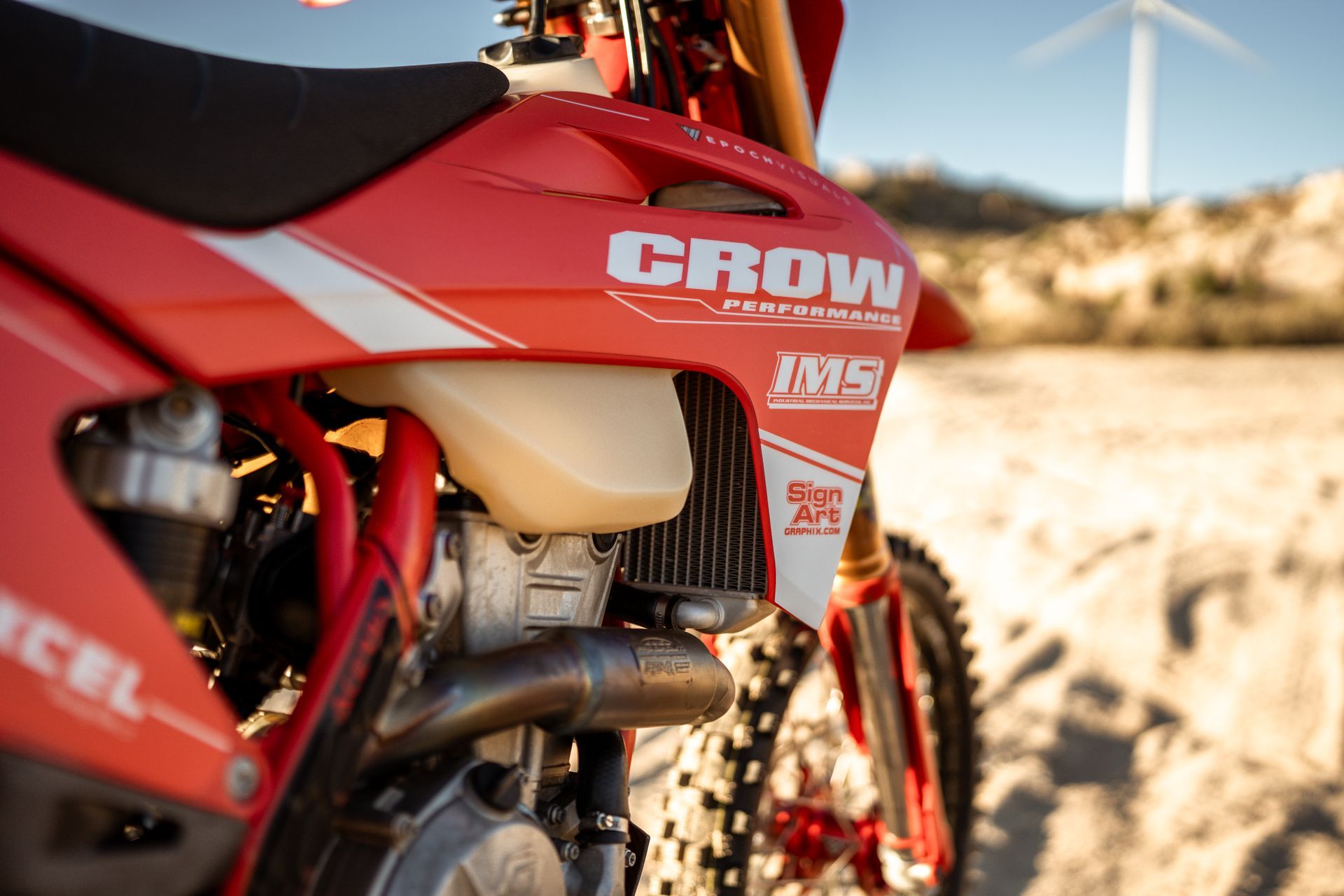
At a performance-focused shop like Crow Performance in Vista, this is one of the most common conversations we have with riders across San Diego County. Some upgrades deliver real, usable gains. Others add cost and complexity without improving the riding experience. Knowing the difference is what protects both your budget and your bike.
When Stock Is the Smart Choice
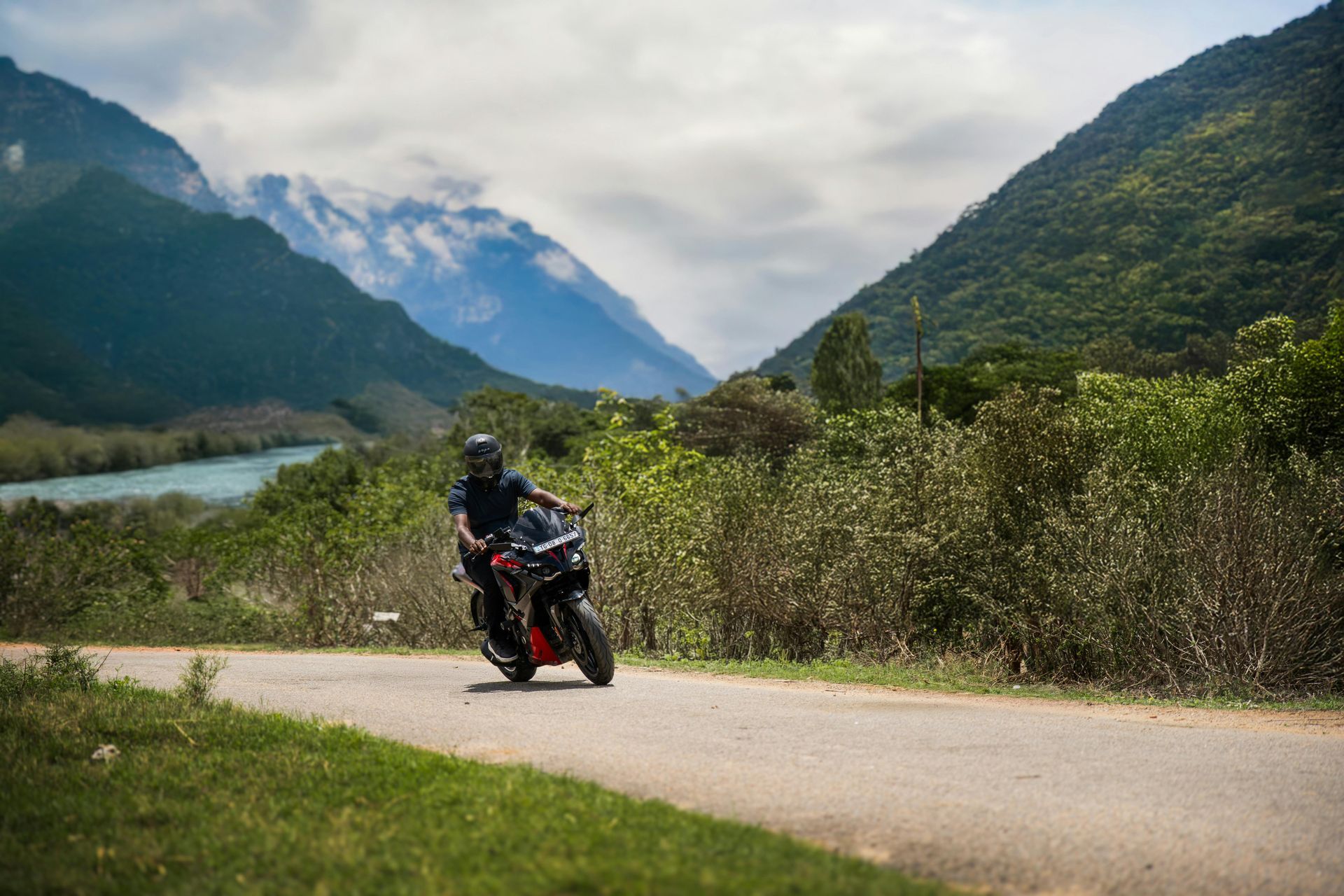
Modern motorcycles are impressively capable right out of the crate. Manufacturers spend years balancing power, reliability, emissions, and rideability. For many riders, especially those who use their bike primarily for commuting, casual canyon riding, or weekend cruising, a stock engine with proper maintenance is more than enough.
Stock often makes sense when:
- You prioritize long-term reliability over peak horsepower
- Your riding is mostly street-based and within normal RPM ranges
- The bike already meets your performance expectations
- Budget is better spent on suspension, brakes, or tires
In many cases, riders chasing more performance actually benefit more from suspension tuning and proper setup than from internal engine work. A well-sorted chassis can make a bike feel dramatically faster and more controlled without ever opening the engine.
Signs It Might Be Time for an Engine Upgrade
There are, however, clear situations where engine performance work starts to make sense.
One is when your riding style consistently pushes the limits of the stock powerband. Track riders, aggressive canyon riders, and racers often operate at higher RPMs and demand stronger acceleration out of corners. In these scenarios, carefully selected engine upgrades can improve throttle response, broaden the power curve, and deliver more usable drive.
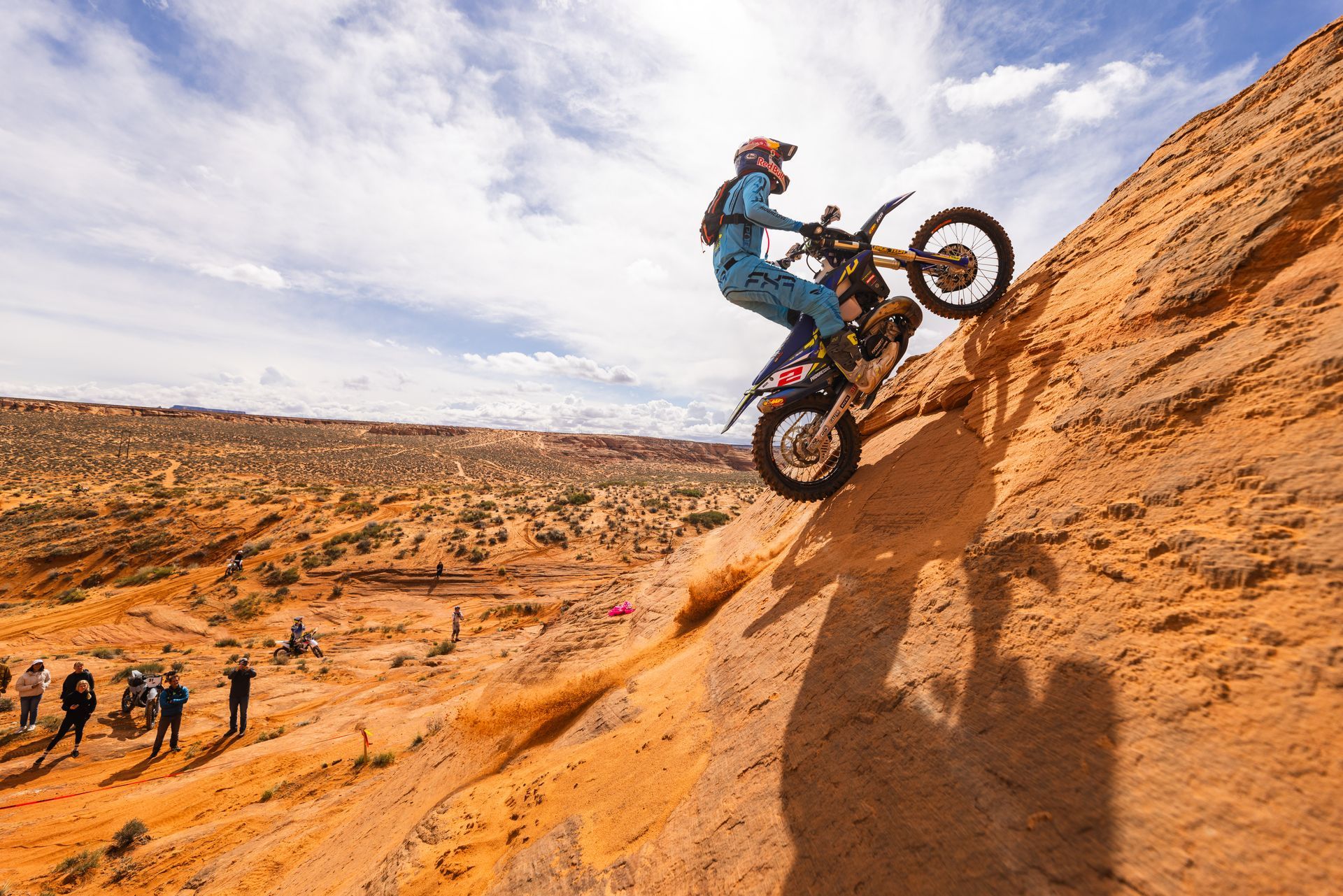
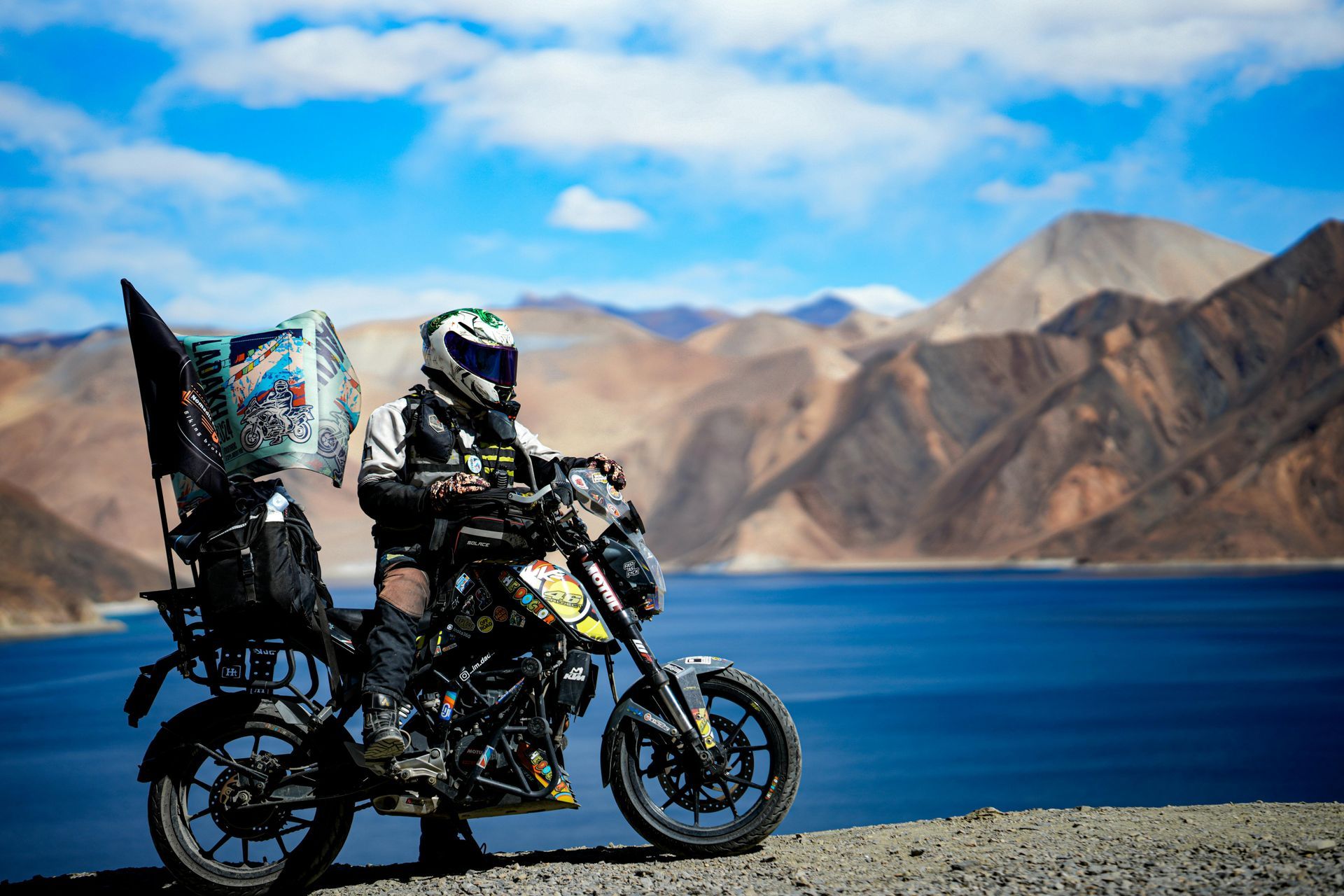
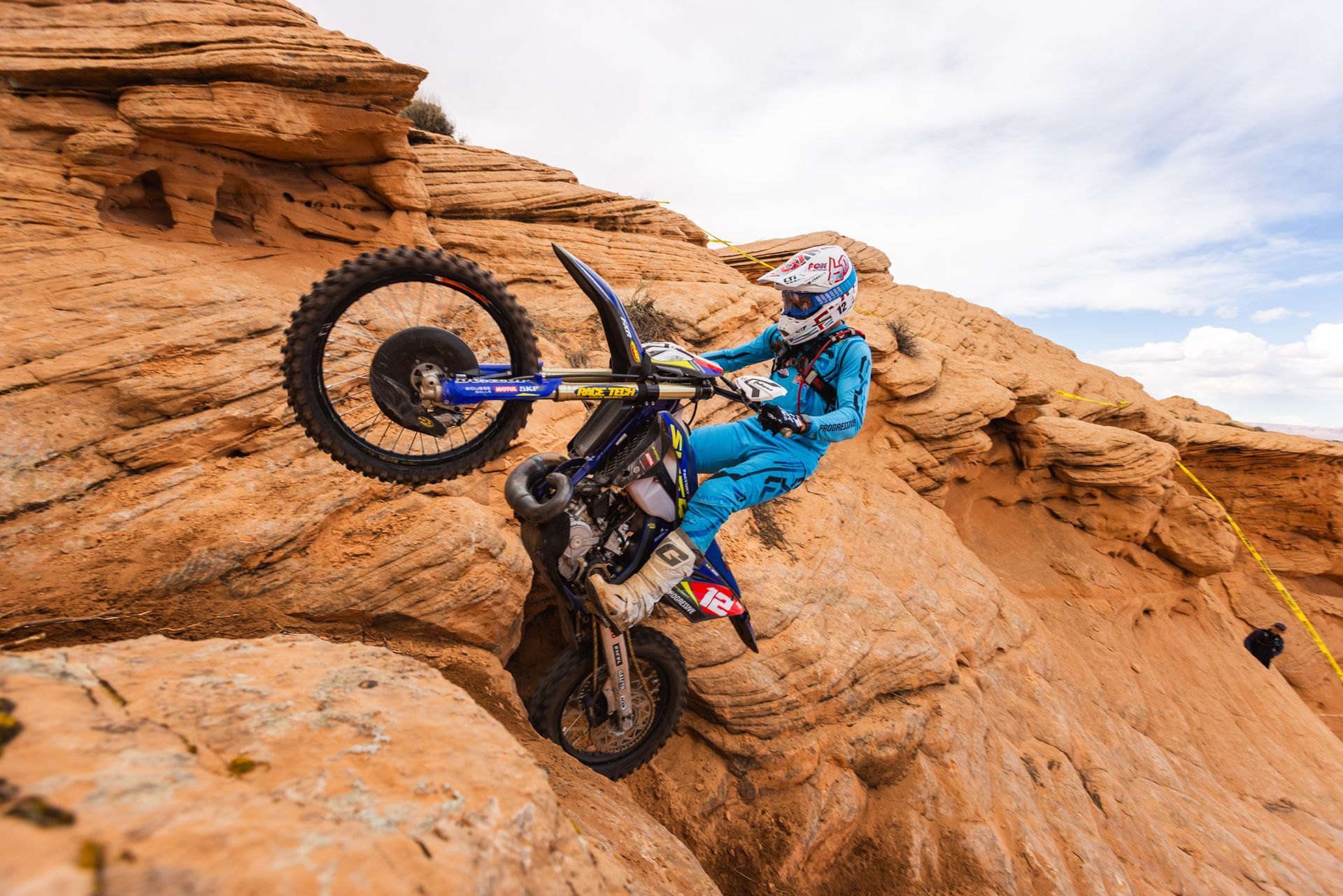
Another factor is how the bike is used. Heavier adventure bikes loaded with gear, supermotos ridden hard on tight circuits, or off-road machines in deep sand all benefit from torque-focused engine tuning. The goal is not just more peak power, but better delivery where you actually use it.
You may also consider engine work when:
- The engine is already apart for repair or refresh
- You want smoother, more responsive throttle control
- You are building a dedicated track or race machine
- You are correcting known weak points in a specific model
The key is having a clear purpose. Performance for the sake of numbers rarely delivers the same satisfaction as performance built around how and where you ride.
Bolt-Ons vs. Internal Engine Builds
Not every upgrade means a full engine build. Many riders start with external performance improvements such as exhaust systems, intake changes, and ECU tuning. When properly matched and tuned, these can sharpen throttle response and improve rideability without affecting long-term reliability.
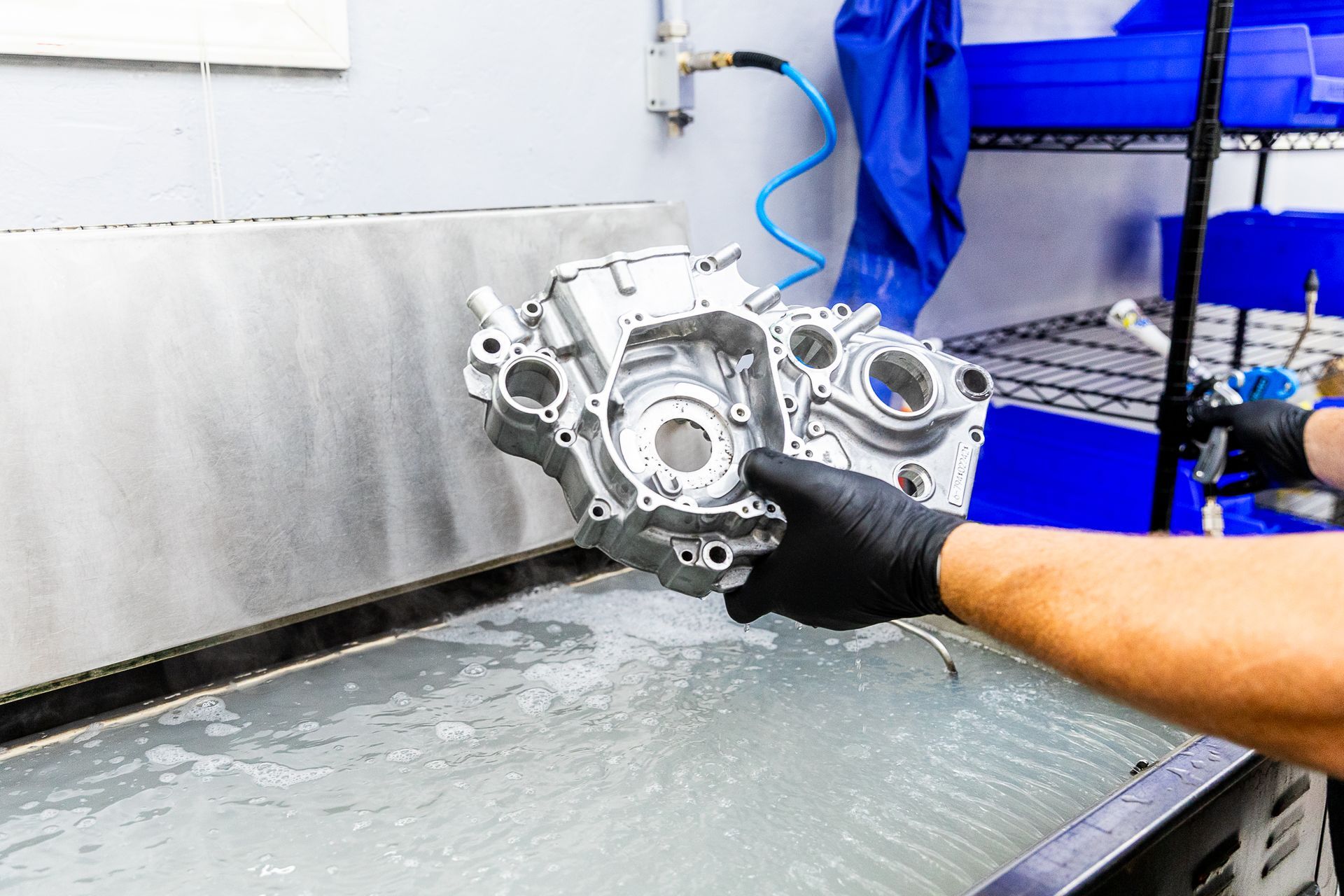
Internal engine builds are a different level. Higher-compression pistons, camshafts, port work, and other modifications can unlock significant gains, but they also require precision, supporting upgrades, and careful tuning. This is where experience matters. An improperly planned build can create heat, stress components, and reduce engine life.
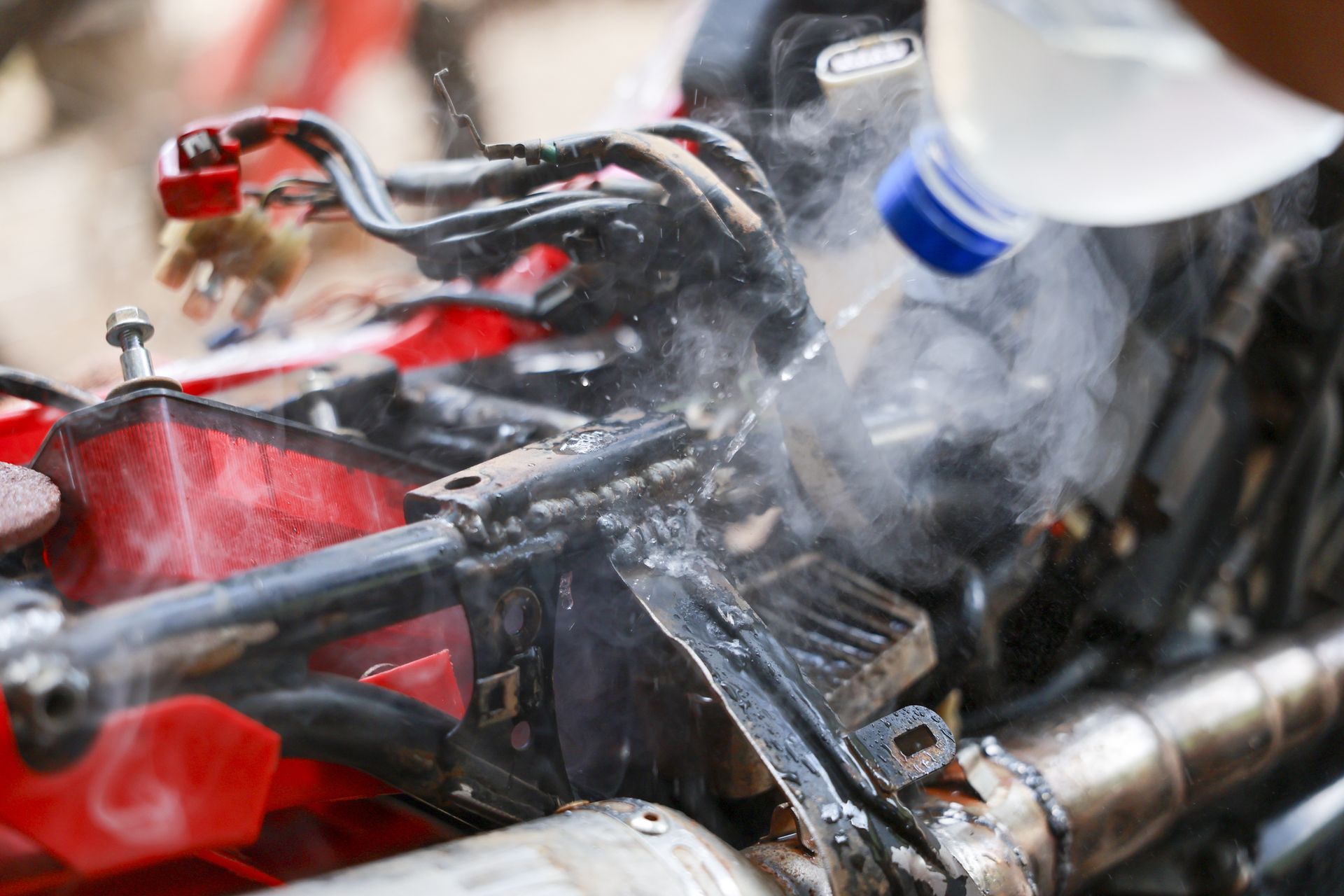
At Crow Performance, the focus is always on balanced performance. Power increases must work with the cooling system, fuel delivery, and intended use of the bike. Reliability is not an afterthought; it is part of the design.
The Reliability Question
One of the biggest fears riders have about engine builds is losing reliability. That concern is valid when modifications are done without a clear plan. However, a properly engineered and tuned performance build can be both powerful and dependable.
The difference comes down to realistic goals and quality workmanship. A mild, well-thought-out build designed for strong midrange and smooth delivery is very different from an extreme, high-strung setup chasing maximum dyno numbers. For most riders, the former delivers a far better experience on the road or track.
Making the Right Decision
Before upgrading, ask yourself a few key questions:
- What do I want the bike to do better than it does now?
- Where do I actually ride: street, track, dirt, long-distance touring?
- Am I trying to improve feel and rideability, or just increase peak horsepower?
- Have I already optimized suspension and chassis setup?
These answers shape whether you should stay stock, focus on bolt-on tuning, or consider a deeper engine build.
Performance upgrades are most rewarding when they are purposeful. The goal is not just a faster bike, but a bike that feels sharper, more responsive, and better matched to the way you ride. That is where thoughtful engine tuning and performance work truly add value.