A blown top end or seized engine can turn a great riding season into an expensive, frustrating setback. The good news is that most dirt bike engine failures aren't random, they're the result of predictable issues that build up over time and eventually take the engine out. Understanding these common failure points can help you catch problems early and avoid a full engine rebuild altogether.
Here's what typically leads to engine failure, and how to keep your bike running strong.
1. Dirty or Neglected Air Filters
A clogged or improperly maintained air filter is one of the most common, and most preventable, causes of engine damage. When dirt and debris make it past a dirty filter, they act like sandpaper on your cylinder walls, pistons, and rings, accelerating wear and eventually leading to a loss of compression or a full top-end failure.
Prevention: Clean and re-oil your air filter after every ride, or every few rides in less dusty conditions. Never run your bike with a torn, ill-fitting, or overly saturated filter.
2. Overheating
Dirt bikes run hot by design, but excessive overheating, from a failing radiator, low coolant, a damaged water pump, or extended high-RPM riding in extreme heat, can warp cylinder heads, damage gaskets, and cause piston seizure.
Prevention: Check coolant levels regularly, inspect radiators for damage or blockage, and pay attention to how your bike is running. Unusual power loss or a ticking sound can be early warning signs of heat-related engine stress.
3. Improper Tuning
Whether it's a jetting issue on a carbureted bike or a poorly mapped fuel injection setup, improper tuning can cause your engine to run too lean or too rich. A lean condition in particular is dangerous, since it runs hotter and can quickly lead to piston damage or seizure.
Prevention: Have your bike properly tuned for your specific setup, elevation, and riding conditions, and don't assume aftermarket exhaust or intake modifications will "just work" without adjustments to match.
4. Missed Maintenance Intervals
Skipping recommended service intervals, oil changes, valve inspections, top-end rebuilds, is one of the most common ways riders unintentionally set themselves up for a bigger, more expensive failure down the road.
Prevention: Follow your bike's manufacturer-recommended maintenance schedule, and don't stretch intervals just because the bike "seems fine." Many engine problems develop well before symptoms become obvious.
5. Oil Issues
Running low-quality oil, riding with old or contaminated oil, or simply letting oil levels run low can starve your engine of the lubrication it needs, leading to accelerated wear on bearings, cams, and other critical components.
Prevention: Use the oil type and weight recommended for your specific engine, change it at proper intervals, and always check your levels before heading out for a ride.
6. Valve Neglect
Valves that aren't properly inspected or adjusted over time can lead to poor compression, power loss, and in more severe cases, valve-to-piston contact, a failure that often requires a full top-end rebuild to fix.
Prevention: Have your valve clearances checked and adjusted according to your maintenance schedule, especially as your bike accumulates hours.
Catching Problems Before They Become Costly
Most of the failures above develop gradually, giving attentive riders a window to catch and correct issues before a full engine rebuild becomes necessary. Paying attention to how your bike sounds, runs, and performs, and staying consistent with maintenance, goes a long way toward protecting your investment.
Trust Your Engine to the Experts
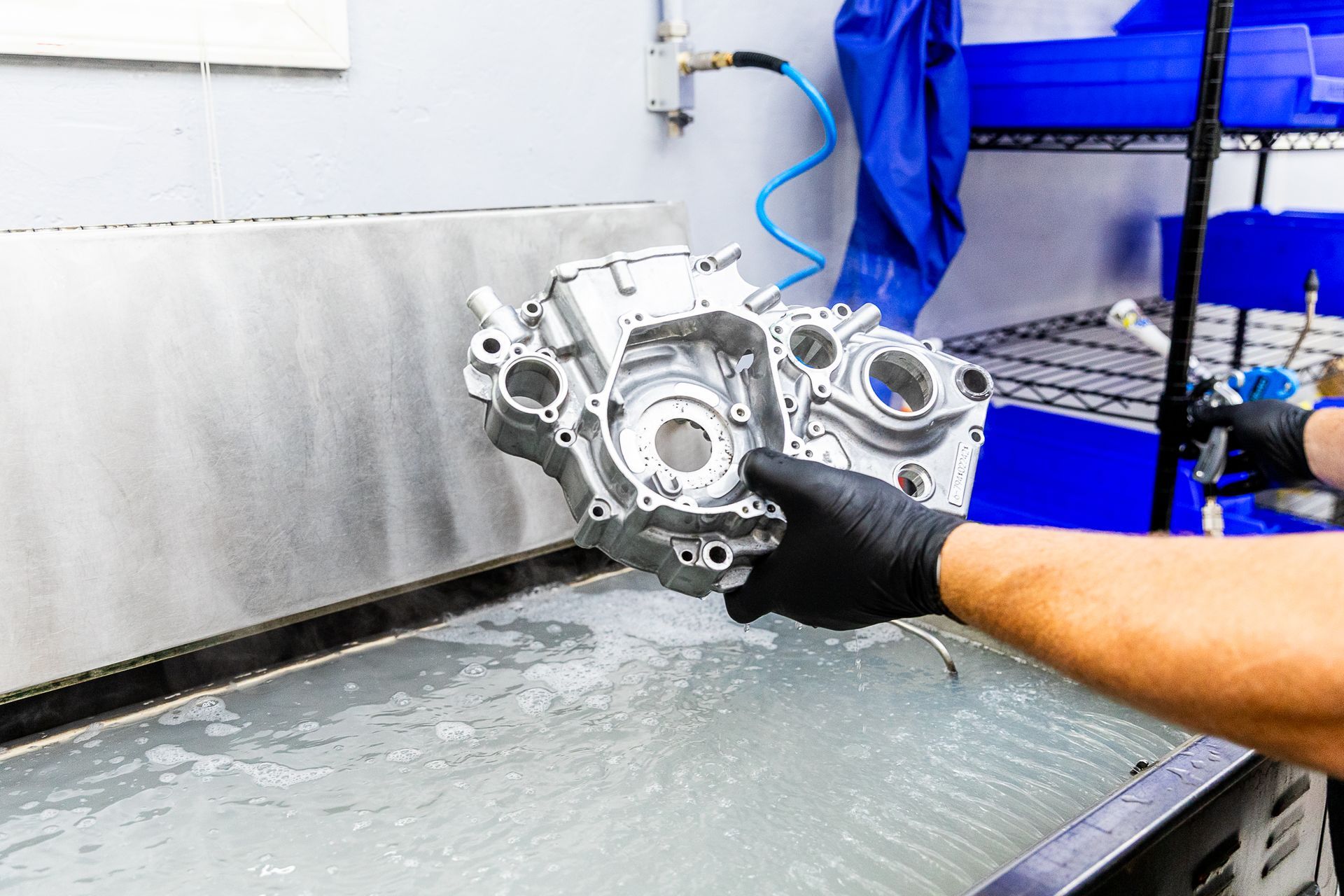
Whether you need a routine tune-up or a full engine rebuild after a failure,
Crow Performance in Vista, CA brings dyno-tested precision to every motocross and off-road engine build.
Get a quote today and let our team help you ride harder, smoother, and with more confidence all season long.